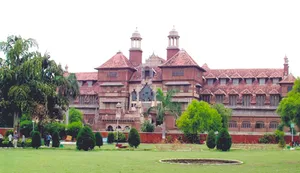
Send the link on. In chat and email, the article title and photo show up with it.
https://mostlyharmless.travel/articles/dabhoi
Dabhoi is an ancient city. The literary and archaeological evidence suggests it was already a major town by the 6th-century CE. It became a capital about 10th-century, fortified by the 11th-century. The city was plundered and destroyed in the 14th-century during the conquests of the Gujarat Sultanate. In 18th-century, after the Mughal empire collapse, Dabhoi and eastern Gujarat region came under the Gaekwads. The town became important in colonial times as a trading and military post. A narrow gage railway network made it an important trading and logistics center. Dabhoi has many historic monuments. Of these, the most important are the fort walls, the four gates and the Saptamukhi Vav. The fort ruins and gates with its exquisite Hindu artwork are one of the best surviving examples of historic Hindu fort architecture. Of particular importance are the 10th to 11th century Hatha yoga reliefs – one of the oldest known Hatha yoga asanas artwork in India.
Author: Ms Sarah Welch, License: CC0
·
Source
Registration is currently only possible with an invite code. Please enter your invite code or use your personal invite link. If you don't have a code, you can request one from us.

 alpha
NOW FEDERATED!