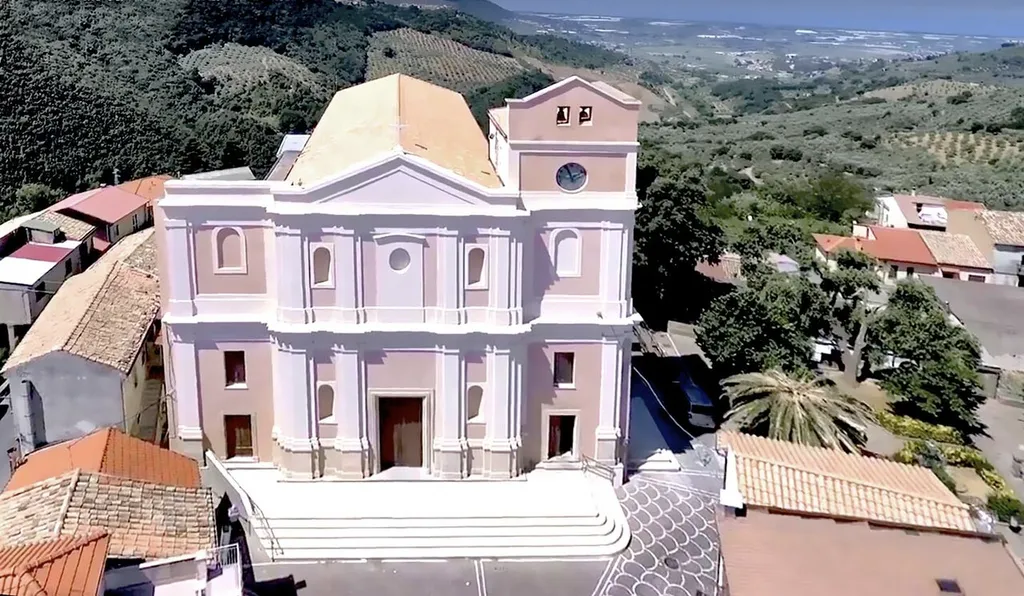
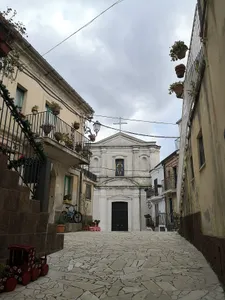
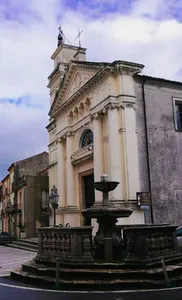
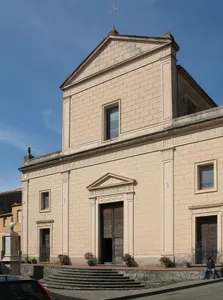
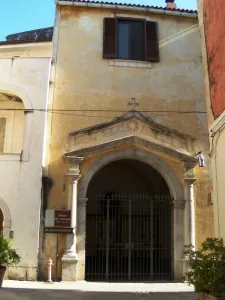
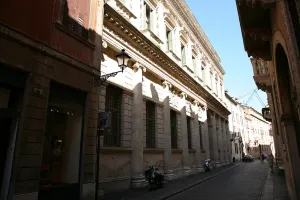
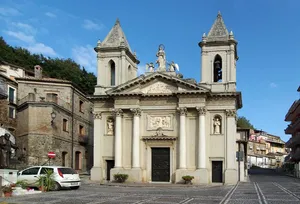
The first cenoby dedicated to Saint Andrew, was founded between 1100 and 1200 by the people of Lacconia fleeing from the Saracen invasions. Underwent several alterations over the centuries and the first parish mention dates its second foundation to 1600, was later completely destroyed by the earthquake of 1783. Rebuilt according to the project of Sintes, was resized as the original design inspirated by Barozzi that appeared excessive for the availability of the community. There was a classical style facade on three levels, Doric, Ionic and Corinthian, all surmounted by a tympanum and relative frame. The third level was eliminated in the 50s because of the damage caused by the earthquake of 1905. The interior preserves several altars made of polychrome marble and a baptismal font depicting Christ, as well as some late nineteenth-century paintings.
Author: Curinghese, License: CC BY-SA 4.0
·
Source
Registration is currently only possible with an invite code. Please enter your invite code or use your personal invite link. If you don't have a code, you can request one from us.
 alpha
NOW FEDERATED!
alpha
NOW FEDERATED!