Send the link on. In chat and email, the article title and photo show up with it.
https://mostlyharmless.travel/articles/kadyanda
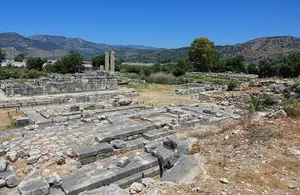
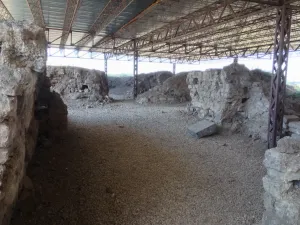
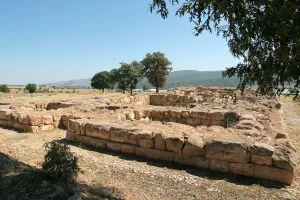
Cadianda’s name was read as “Kadawanti” in the Lycian inscriptions. Because of the suffix “-nd”, it can be said that the history of [the] settlement dates back to 3 thousand BC. However, the oldest remains of the ancient city that have survived on the surface do not go [back] more than [to] the 5th century BC. Part of the ruins of city walls surrounding Cadianda, tombs and some of the inscriptions are the only remains dated to the earliest period. The city is surrounded by walls which were rebuilt many times due to the topography and the steep slopes of the land. The theatre is a high-light for a visit. It used to be heavily overgrown, but has been cleared. It could contain some 5000 people. Only the seating area is well-preserved.
Author: Dosseman, License: CC BY-SA 4.0
·
Source
Registration is currently only possible with an invite code. Please enter your invite code or use your personal invite link. If you don't have a code, you can request one from us.
 alpha
NOW FEDERATED!
alpha
NOW FEDERATED!
![Cadianda’s name was read as “Kadawanti” in the Lycian inscriptions. Because of the suffix “-nd”, it can be said that the history of [the] settlement dates back to 3 thousand BC. However, the oldest remains of the ancient city that have survived on the surface do not go [back] more than [to] the 5th century BC. Part of the ruins of city walls surrounding Cadianda, tombs and some of the inscriptions are the only remains dated to the earliest period. The city is surrounded by walls which were rebuilt many times due to the topography and the steep slopes of the land. The theatre is a high-light for a visit. It used to be heavily overgrown, but has been cleared. It could contain some 5000 people. Only the seating area is well-preserved.](/images/articles/52/l/52a6942d2809c757eb4fb5679970a3ff.webp)