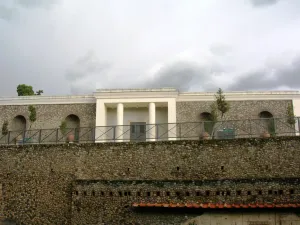
Antiquarium in Pompeii
museum in Italy...
 alpha
alpha
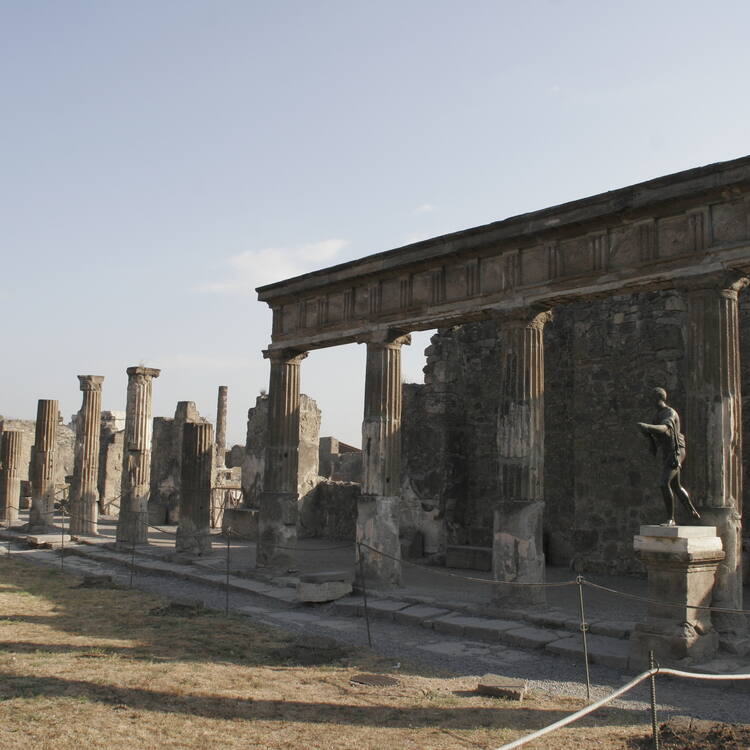
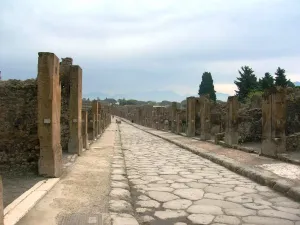
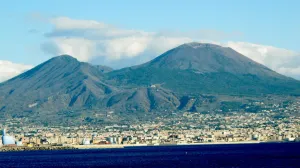
When Vesuvius erupted on 24 August AD 79, it engulfed the two flourishing Roman towns of Pompei and Herculaneum, as well as the many wealthy villas in the area. These have been progressively excavated and made accessible to the public since the mid-18th century. The vast expanse of the commercial town of Pompei contrasts with the smaller but better-preserved remains of the holiday resort of Herculaneum, while the superb wall paintings of the Villa Oplontis at Torre Annunziata give a vivid impression of the opulent lifestyle enjoyed by the wealthier citizens of the Early Roman Empire.
Slug: archaeological-areas-of-pompei-herculaneum-and-torre-annunziata
relatedTo:
isChildOf:
Location:
Created At: Tue Jan 21 2025 18:56:43 GMT+0000 (Coordinated Universal Time)
Updated At: Tue Mar 04 2025 13:34:56 GMT+0000 (Coordinated Universal Time)
Created By:
Version: 1
Status: test_v1
museum in Italy...
archeological site in Italy...
Italian comune...
volcano on the southwestern coast of Italy...

Roman town...
art gallery in the Convento di Sant'Antonio, Nocera Inferiore, Italy...
Situated in the Pacific Ocean some 1,000 km from the...
The vast natural forest of Yellowstone National Park covers nearly...
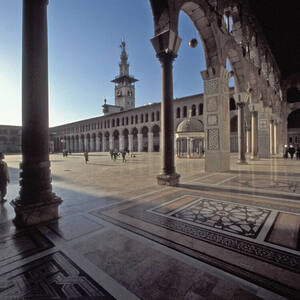
Founded in the 3rd millennium B.C., Damascus is one of...
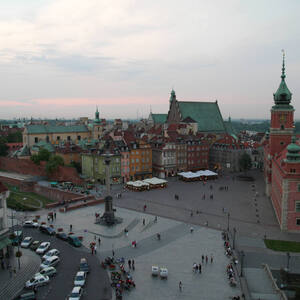
During the Warsaw Uprising in August 1944, more than 85%...
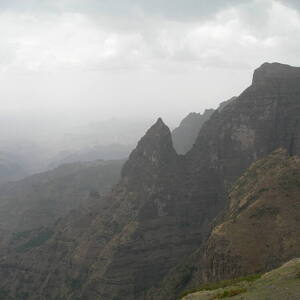
Massive erosion over the years on the Ethiopian plateau has...
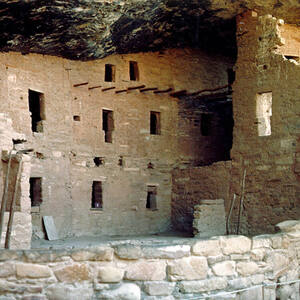
A great concentration of ancestral Pueblo Indian dwellings, built from...